

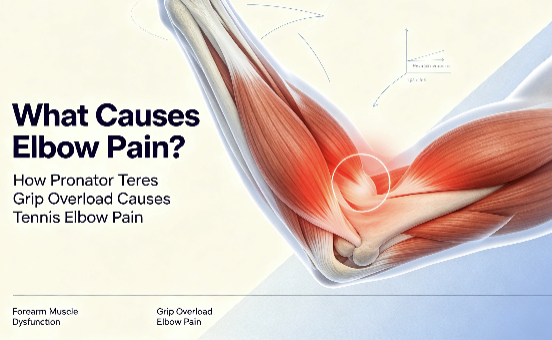
What causes elbow pain? If you’re dealing with lingering, recurring tennis elbow pain, you’ve likely been told the issue stems from your elbow joint or damaged elbow tendons. Countless people waste months resting their arm, applying ice, using pain creams, and avoiding activity—only for the elbow soreness to return the moment they grip a racket, type at a desk, or lift everyday items.
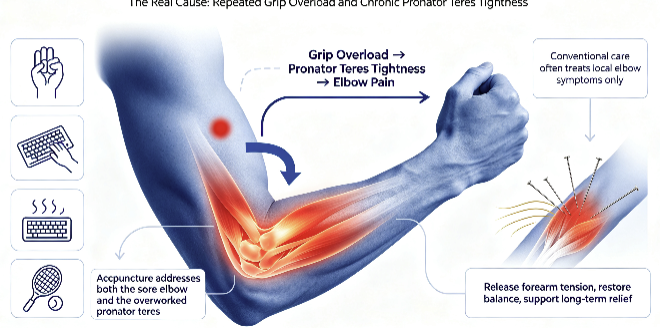
The truth is, most tennis elbow pain does not originate in the elbow. The real, underlying cause of chronic elbow discomfort is repeated grip overload and chronic tightness in the pronator teres muscle, a powerful forearm muscle that drives all forearm pronation movements. Conventional treatments only address local elbow symptoms, masking pain temporarily while leaving the root muscular dysfunction uncorrected. Acupuncture provides a game-changing holistic solution by treating not just the sore elbow spot, but the overworked pronator teres muscle, eliminating the source of tension for long-term, permanent relief.
Tennis elbow, clinically known as lateral epicondylitis, is widely misunderstood. While it’s named for tennis players and linked to elbow tendon irritation, modern soft tissue biomechanics reveal that repetitive strain in the forearm is the primary culprit for persistent cases. Most patients experience repeated flare-ups because their treatment plan only targets the symptomatic elbow area. Whether you’re an athlete, a full-time office worker, or someone who performs frequent manual tasks, your daily gripping and twisting motions overwork the pronator teres day after day. Over time, this builds cumulative muscular tension that pulls relentlessly on elbow connective tissues, creating the stubborn soreness and stiffness we label as tennis elbow.
Pronator Teres: The Hidden Driver of Chronic Tennis Elbow Pain
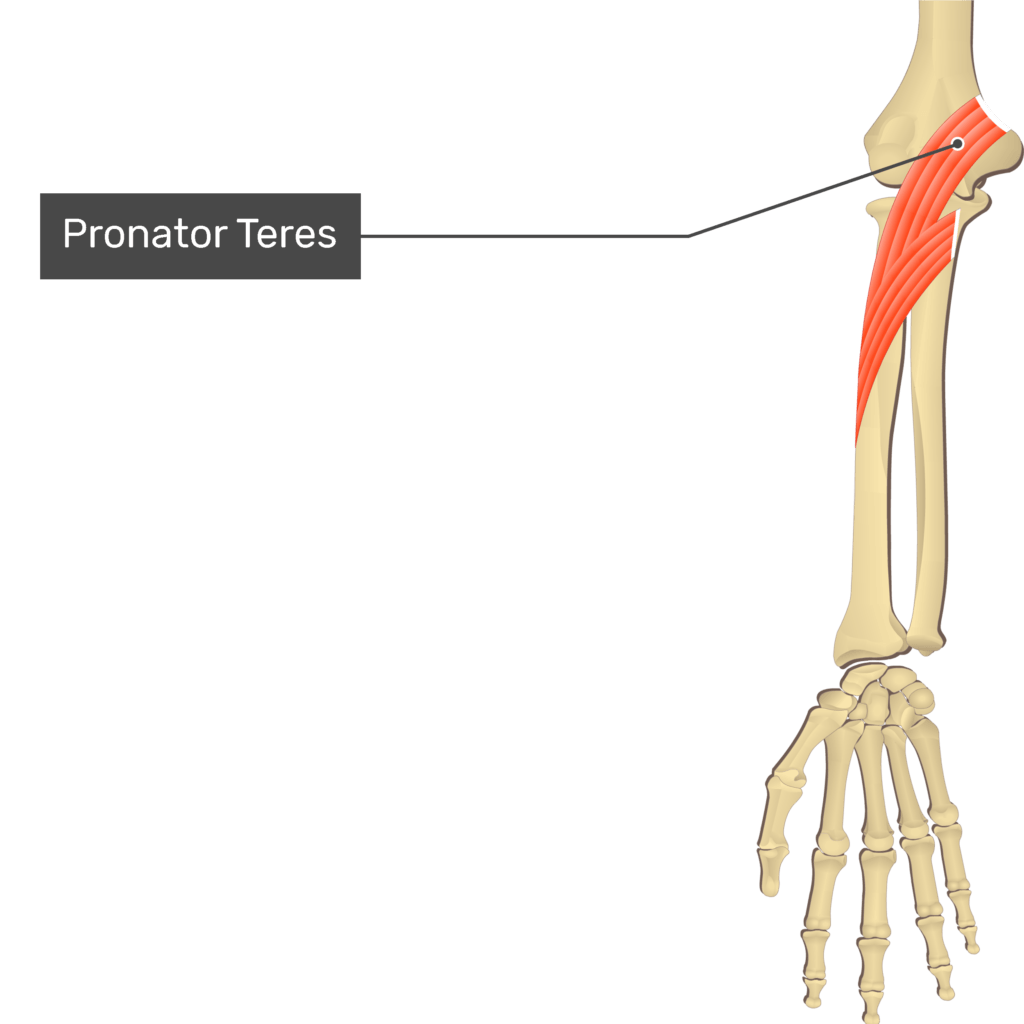
The pronator teres is a primary superficial muscle located on the inner forearm, crossing the elbow joint to control forearm pronation—the essential movement that turns your palm from facing upward to downward. This muscle is activated in nearly every functional upper-body task: typing on a keyboard, gripping a phone, lifting groceries, turning doorknobs, and executing tennis or pickleball strokes. Unlike isolated elbow tendon strain, pronator teres overload builds gradually through thousands of small, repetitive micro-contractions each day.
When this muscle is overused without proper recovery, it develops chronic tightness, taut fibrous bands, and active trigger points. These tight muscle fibres create constant asymmetric tension across the elbow joint, pulling on the lateral elbow tendons and surrounding soft tissue. This persistent tensile stress irritates the elbow region, causing the classic signs of tennis elbow: outer elbow ache, sharp pain with gripping, forearm fatigue, and stiffness after periods of inactivity. The elbow is simply the pain referral site; the actual injury and muscular imbalance live firmly in the forearm.
This creates a frustrating, vicious cycle for sufferers. Standard treatments like rest, anti-inflammatories, and local elbow therapy can temporarily reduce surface inflammation and dull pain. However, they fail to release the tight, overloaded pronator teres muscle. The unresolved forearm tension remains intact, continuing to strain the elbow tendons with every daily movement. This is why so many people experience immediate pain relief as soon as they return to normal activity, leaving them stuck in a cycle of temporary relief and recurring injury.
Core Functions of the Pronator Teres Muscle (Relevant to Tennis Elbow)
The pronator teres is a key forearm muscle with two primary functional roles, both central to causing and worsening tennis elbow pain:
- Forearm Pronation: It is the primary muscle responsible for forearm pronation, the rotational movement that turns your palm downward. It generates over half of the torque for this motion, activating during daily tasks (typing, gripping objects) and athletic movements (tennis swings).
- Grip Stability & Load Bearing: The muscle supports firm, sustained gripping. Repeated or excessive gripping chronically overloads the pronator teres, causing tight fibres, trigger points, and muscular imbalance.
Link to Tennis Elbow
Overloaded pronator teres creates persistent pulling tension across the elbow joint, irritating lateral elbow tendons. Unlike conventional localised elbow pain treatments, acupuncture targets both the sore elbow site and the overworked pronator teres muscle, releasing deep tension, correcting forearm biomechanical imbalance, and resolving tennis elbow at its root cause instead of just masking symptoms.
image retrieved from getbodysmart
Why Local Elbow Treatments Always Fall Short
The biggest mistake in tennis elbow recovery is treating only the location of pain rather than the source. Traditional physical therapy and at-home care focus entirely on the elbow joint, targeting inflammation and tendon soreness without addressing forearm biomechanics. Since the core issue is muscular overload in the pronator teres, these localised treatments only address symptoms, not dysfunction. Until the tight forearm muscle is released and muscular balance is restored, elbow pain will continue to return indefinitely.
Why Acupuncture Works Better for Pronator-Driven Tennis Elbow
Professional acupuncture stands apart from conventional care thanks to its holistic, root-cause treatment approach. Our practitioners do not just needle the sore elbow area to numb the pain. Instead, we conduct a full upper-body assessment to identify tightness, trigger points, and tension patterns in the pronator teres and surrounding forearm muscles. We combine targeted local elbow needling to reduce acute inflammation with precision deep-tissue acupuncture on the overloaded pronator teres muscle.
This dual-treatment strategy delivers unmatched results. Acupuncture effectively releases deep-seated trigger points in the pronator teres, relaxes chronically shortened muscle fibres, and restores natural, pain-free forearm pronation mobility. By resolving chronic forearm tightness and biomechanical imbalance, we eliminate the constant pulling force that irritates elbow tendons. This addresses both the symptoms and the underlying cause of tennis elbow, breaking the repetitive pain cycle that plagues so many patients. Unlike temporary relief methods, acupuncture restores soft tissue function, allowing the forearm and elbow to move freely without abnormal strain.
Who Benefits From This Acupuncture Treatment Approach?
This pronator-focused acupuncture method is ideal for anyone struggling with stubborn, recurring tennis elbow. It is highly effective for racket sport athletes dealing with stroke-related strain, office workers suffering from chronic typing and screen grip overload, manual labourers with repetitive forearm motion strain, and everyday individuals with unexplained persistent elbow pain. It is especially recommended for patients who have tried rest, stretching, creams, and local therapy with no lasting improvement—clear signs of unaddressed pronator teres dysfunction.
Final Thoughts
Tennis elbow is rarely a pure elbow injury. It is a chronic forearm overload condition driven primarily by pronator teres tightness, grip strain, and disrupted forearm biomechanics. To fully heal stubborn elbow pain and prevent future flare-ups, you must move beyond symptomatic local treatment. Acupuncture’s unique whole-arm approach resolves deep forearm muscular dysfunction, releases accumulated grip tension, restores upper extremity balance, and delivers long-term tennis elbow recovery that traditional treatments simply cannot achieve.
Contact us:
phone number: 021 2159963
email address: ponsonbywellness@gmail.com
57 Sussex St,
Ponsonby
Auckland 1021