
How to improve egg quality?
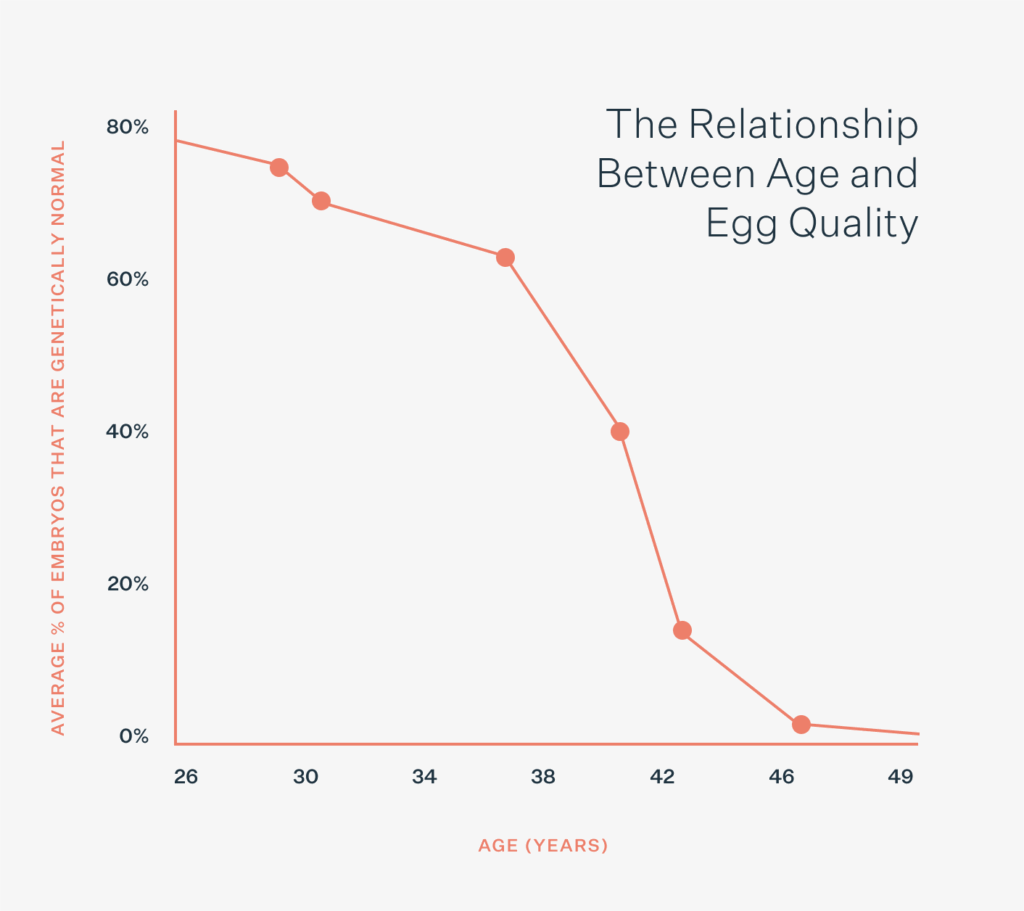
If you are preparing for pregnancy and trying to conceive, you have likely come across the term egg quality. Many people assume egg health is only determined by age, but your daily lifestyle choices also play a huge role.
At Ponsonby Wellness Centre, we work with many women across Auckland, from Ponsonby, Grey Lynn, Herne Bay and surrounding suburbs who are TTC (trying to conceive). A common question we hear is: can I actually improve my egg quality?
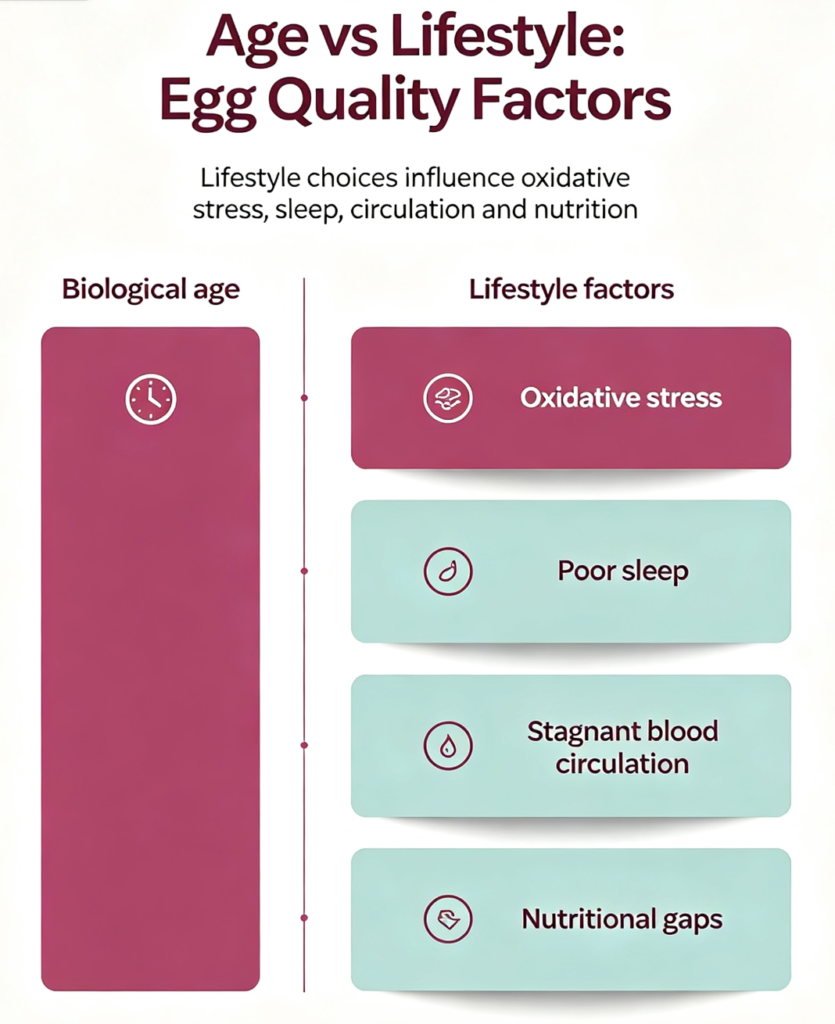
Egg quality is influenced by two big factors: biological age and lifestyle. While we cannot reverse your age, you can actively support the health of your developing eggs through consistent daily habits. These factors support ovarian function, reduce oxidative stress and create a better internal environment for conception.
Age vs Lifestyle: What Really Shapes Egg Quality
Age is the best-known factor affecting egg quality. As you get older, both the quantity and quality of your eggs naturally shift. However, age is not the whole story.
Even for people in their mid‑30s and late‑30s, lifestyle choices create meaningful differences to egg health:
- Oxidative stress
- poor sleep
- stagnant blood circulation
- nutritional gaps
Important note: Lifestyle changes cannot turn back biological ageing, but they help give your eggs the best possible chance. This is complementary support, not medical treatment for infertility. Always work alongside your fertility specialist or GP.
3 Key Lifestyle Strategies to Support Egg Quality
1. Prioritise Early, Consistent Sleep
Sleep is deeply connected to reproductive hormone health. During deep overnight sleep your body regulates follicle‑stimulating hormone, luteinising hormone and stress‑related cortisol.
Regularly staying up late disrupts your circadian rhythm, raises chronic cortisol levels and increases oxidative stress in the ovaries. Over time this can negatively impact developing eggs.
Simple practical tips for better fertility‑focused sleep:
- Aim to be in bed before 11pm as often as you can
- Reduce phone and screen light 1‑2 hours before bedtime
- Keep a consistent sleep‑wake time, even on weekends
- Avoid heavy meals and caffeine late in the day
Many of our clients in busy Auckland struggle with late nights from work and busy social schedules. Small shifts in your bedtime can add up over the 3‑month egg maturation cycle. Remember: eggs take roughly three months to fully develop before ovulation, so lifestyle changes need time to show effect.
2. Support Egg Health With Antioxidants
Oxidative stress creates damage to developing eggs. Antioxidants help neutralise free radicals and protect ovarian cells.
You can obtain antioxidants primarily from whole‑food nutrition:
- Bright‑coloured vegetables and berries
- Nuts and seeds
- Leafy greens
- Quality omega‑3 rich foods
Many people exploring conception also look into antioxidant‑focused supplements. If you are considering supplements, always discuss dosage with your doctor or fertility specialist before starting, as not all supplements are suitable pre‑conception.
From a TCM perspective, nutrient‑dense foods also help build yin and blood — the foundational resources required for healthy follicle development.
3. Gentle Movement to Boost Pelvic Circulation
Intense, exhausting workouts can raise stress hormones and work against your fertility goals. When supporting egg quality, gentle movement is far more beneficial than over‑exercising.
The goal is improved pelvic and ovarian blood flow, bringing oxygen and nutrients to your ovaries.
Great options for pre‑conception movement: ‑ Slow walking ‑ Gentle yoga, fertility yoga ‑ Soft pilates ‑ Qi gong
Aim for regular moderate activity most days of the week, avoid pushing your body to burnout.
At Ponsonby Wellness Centre, acupuncture is often used alongside these lifestyle steps to improve pelvic circulation, balance stress hormones and support your pre‑conception journey. Acupuncture works to lower high cortisol, improve blood flow to the reproductive organs and harmonise your cycle. We tailor every treatment for your individual constitution while you prepare for pregnancy.
Realistic Expectations When Working On Egg Quality
It is critical to keep realistic expectations:
- Egg maturation takes around 3 months. Lifestyle adjustments do not create instant results. Give your body time.
- Lifestyle cannot override age‑related biological changes. It optimises your existing egg health.
- If you have received a low AMH or poor egg quality diagnosis, continue following guidance from your fertility clinic. Complementary care works best alongside conventional fertility support.
Pre‑conception Support at Ponsonby Wellness Centre, Auckland
If you are preparing for pregnancy and want to optimise your egg quality, we are here to support you.
Our team provides pre‑conception TCM care combining acupuncture and custom herbal support, alongside evidence‑based lifestyle guidance. We serve clients across Ponsonby, Grey Lynn, Herne Bay and wider Auckland.
Book your initial pre‑conception consultation to build your personalised plan for conception.
Contact us:
phone number: 021 2159963
email address: ponsonbywellness@gmail.com
57 Sussex St,
Ponsonby
Auckland 1021